Team Philippines came home from the 20th Asian Games in Aichi-Nagoya, Japan, with 29 medals: four gold, nine silver and 16 bronze. It is the country's biggest haul at the continental Games in six decades.
The total is the best since the 1966 Asian Games in Bangkok, where Filipino athletes won 42 medals. The four golds matched the country's output at both the 2018 Jakarta and 2022 Hangzhou editions, while the nine silvers equaled a national record set in Bangkok in 1970. The Philippines, which sent 446 athletes across 38 sports, climbed to 16th in the overall standings.
Yulo, Obiena lead the golden run
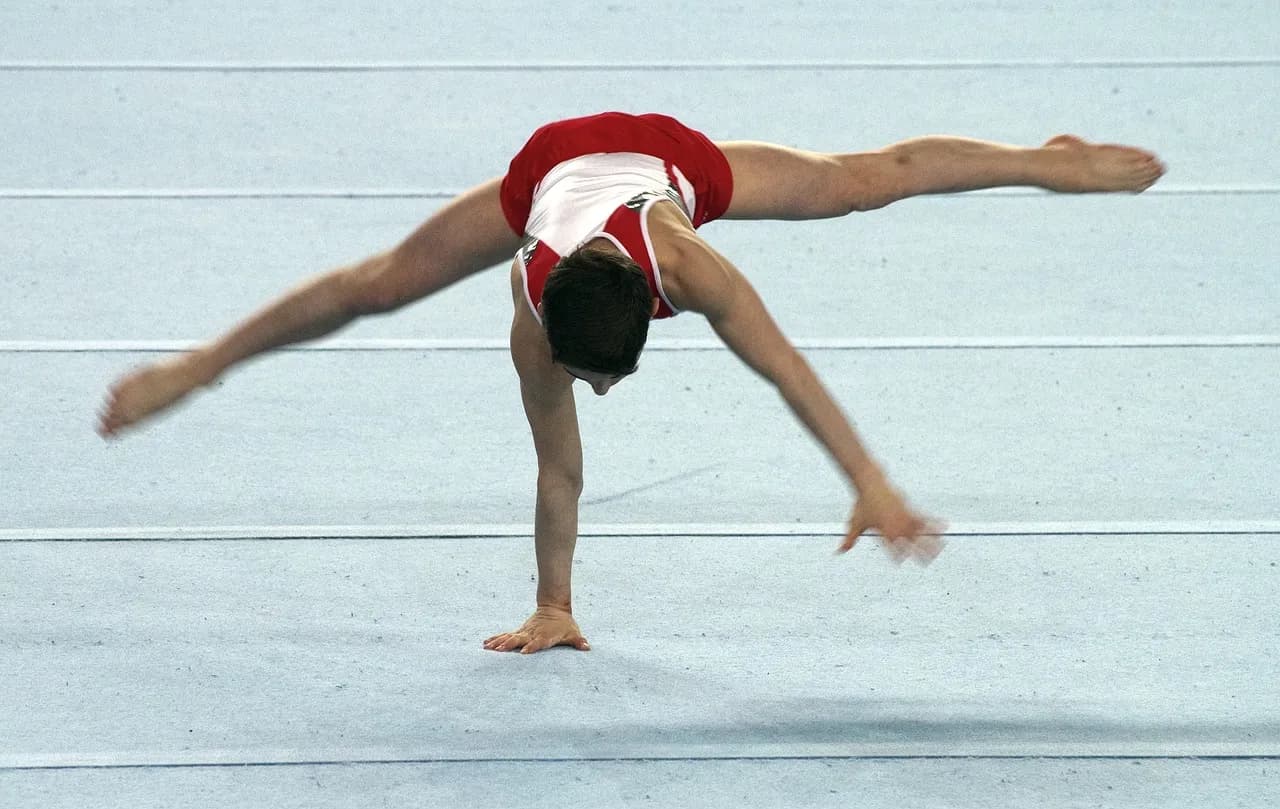
Two-time Olympic champion Carlos Yulo set the tone in artistic gymnastics, winning gold in both the floor exercise and the vault.
Pole vaulter EJ Obiena then defended his Asian Games title. After clinching gold at 5.75 meters, he went on to clear 5.91 meters, a new Games record.
The fourth gold came from an unexpected source. Taekwondo jin Jeus Yape, 22, won the mixed individual virtual taekwondo event, a discipline making its Asian Games debut, beating Vietnam's Chau Ngoc Tuyet Sang in the final. It was his second medal of the Games after a bronze in men's individual poomsae, and he was later chosen as the Philippines' flag bearer for the closing ceremony.
Silver linings
Taekwondo also produced three silvers: Olympian Kurt Barbosa in men's -58kg, Tachiana Mangin in women's -49kg and Juliana Candelaria in women's individual poomsae. Boxer Carlo Paalam took silver in men's 55kg after falling to a Japanese opponent in the final, and Gilas Pilipinas Women 3x3 also settled for silver after losing to Japan.
Bronze medals came from a wide range of sports. Women's soft tennis delivered the country's first medal of the Games, and podium finishes followed in MMA, athletics, beach volleyball and tennis, where Alex Eala added a bronze. The Philippines also won its first-ever Asian Games medal in surfing.
Short of the target, but a step forward
Philippine Olympic Committee president Abraham Tolentino had set a target of eight golds, with hopes pinned on sports including jiu-jitsu, boxing, MMA, gymnastics, athletics, tennis and esports. That goal proved out of reach, and Gilas Pilipinas made an early exit in men's basketball, failing to defend the gold it won in Hangzhou.
Still, the overall picture is one of progress. The Philippines won 18 medals in Hangzhou. In Aichi-Nagoya it added 11 more, with podium finishes coming from a broad mix of sports, from gymnastics and taekwondo to surfing and soft tennis. For a sporting nation that has long relied on a handful of stars, that depth may be the most encouraging result of all.