Philippine inflation picked up sharply in September, ending four straight months of slowdown. Consumer prices rose 7.2% from a year earlier, up from 6.1% in August, the Philippine Statistics Authority (PSA) reported on October 6.
The reading matched April's rate and is the fastest since March 2023, when inflation hit 7.6%. It fell within the Bangko Sentral ng Pilipinas' (BSP) forecast range of 6.4% to 7.4% for the month. Inflation averaged 5.4% in the first nine months of the year, well above the government's 2% to 4% target.
Food leads the climb
National Statistician Claire Dennis Mapa said food was the main driver. Inflation for food and non-alcoholic beverages, the heaviest-weighted group in the consumer basket, accelerated to 6.7% from 4.6% in August.
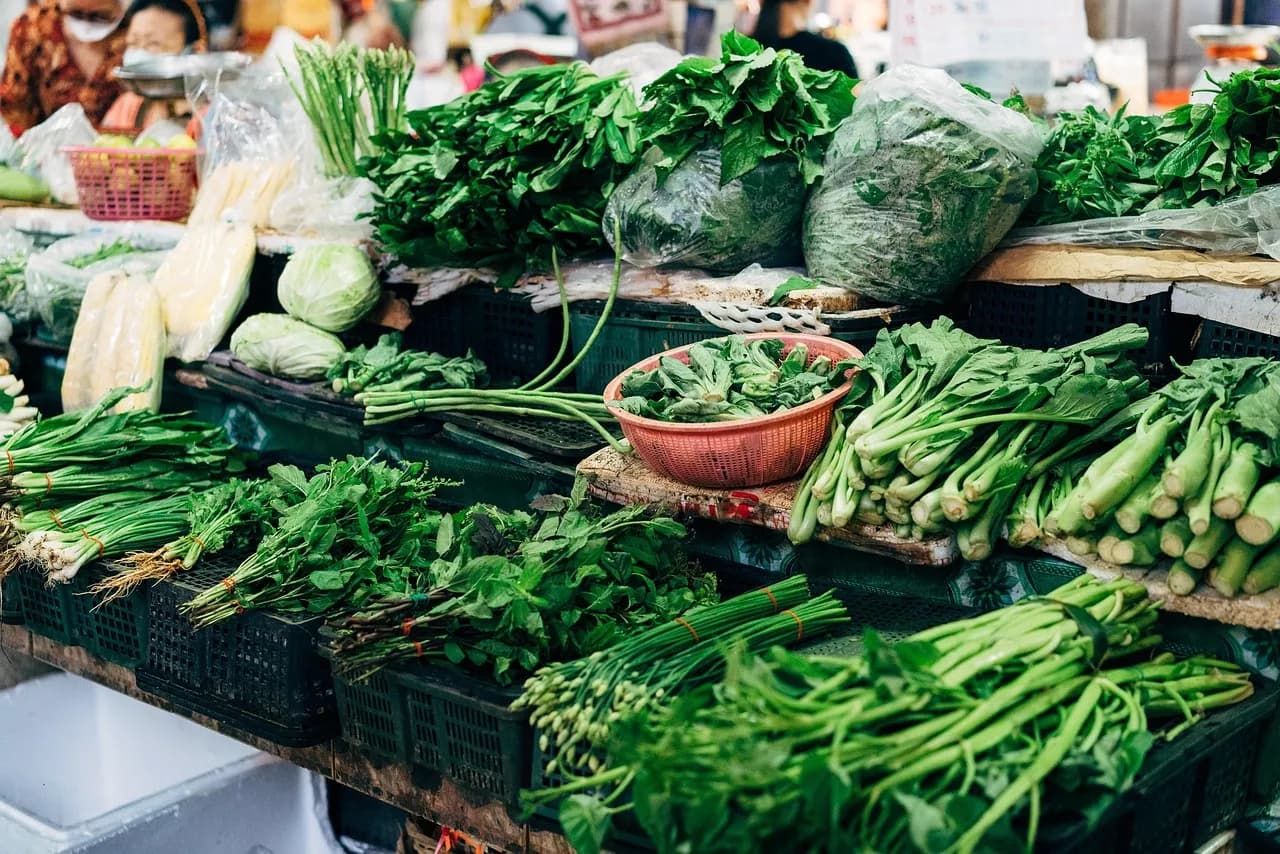
Prices of vegetables, tubers, plantains, cooking bananas and pulses rose 10.7% after falling 3.4% in August. Rice inflation edged up to 20.3% from 19.4%, and fish and seafood climbed to 7.4% from 6.6%.
Socioeconomic Planning Secretary Arsenio Balisacan said the increase came mainly from food supply disruptions caused by bad weather, together with higher global oil prices.
Transport and utilities add pressure
Energy costs also pushed prices higher. Transport inflation quickened to 14.6% from 13.5%, while the index for housing, water, electricity, gas and other fuels rose to 8.4% from 7.9%.
Core inflation, which strips out selected food and energy items, climbed to 4.7% from 4.1%. Economists said the rise in both headline and core inflation suggests price pressures are spreading beyond food and fuel.
All eyes on the BSP
The BSP has raised its key rate three times this year, in April, June and August, bringing it to 5%. Its Monetary Board meets next on October 22.
Several banks now expect another increase. Standard Chartered said it sees a 25-basis-point hike to 5.25% in October, revising an earlier call for a pause. Bank of the Philippine Islands (BPI) forecasts hikes in both October and December, which would lift the rate to 5.5% by year-end, noting that fare increases and wage adjustments tend to be harder to reverse than fuel prices.
BSP Governor Eli Remolona Jr. has said the central bank will keep tightening as much as necessary to bring inflation back to its 3% target.
More pressure ahead
The weather may keep prices elevated. Mapa said the impact of the "Super El Niño" on consumer prices is likely to be felt more in the coming months, as dry conditions threaten harvests. For households, that points to continued pressure on grocery and transport budgets toward the end of the year.