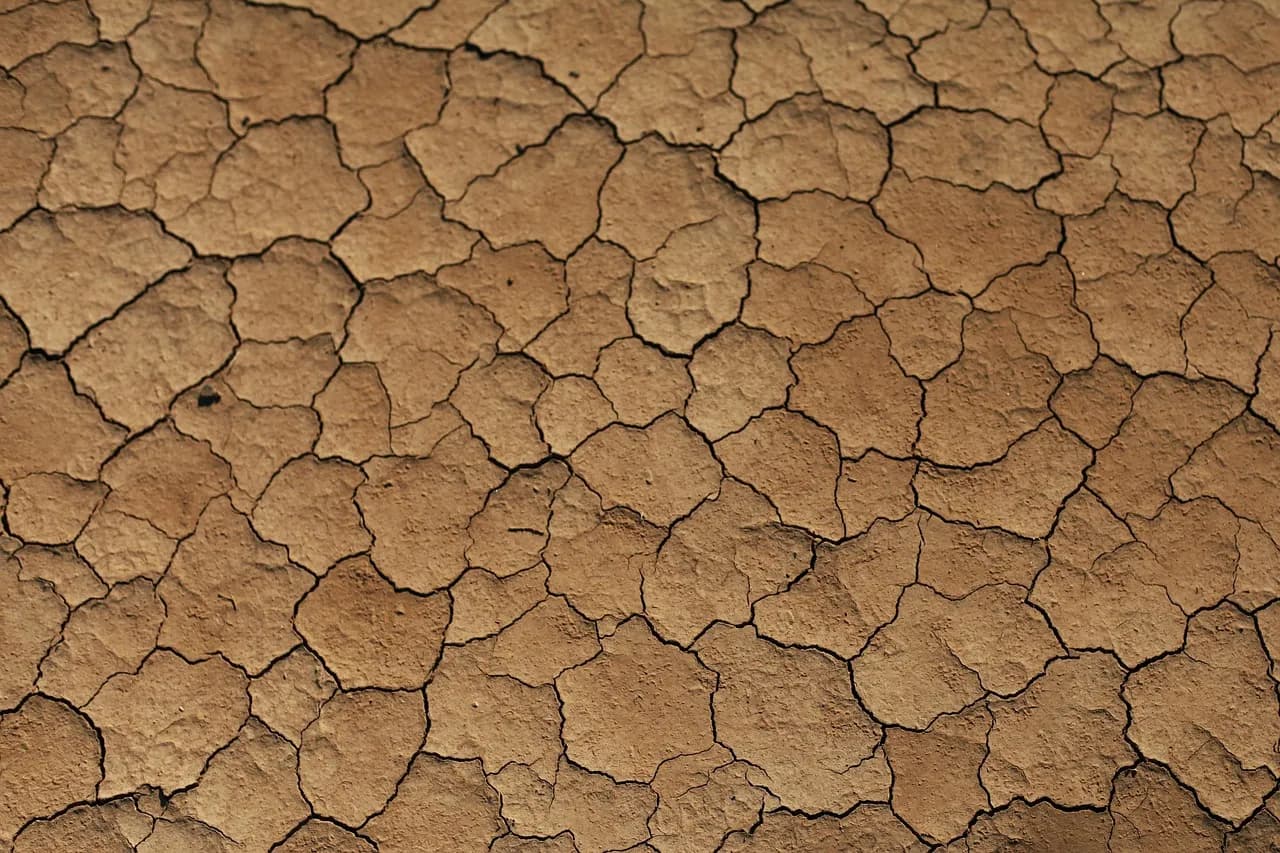
The Philippines is bracing for a long dry season. State weather bureau PAGASA said more areas will fall into drought from October 2026 to March 2027 as El Niño continues to suppress rainfall across the country.
In its climate outlook released on October 7, PAGASA weather specialist Junie Ruiz said six provinces in Luzon and the Visayas are expected to experience drought in October and November. PAGASA defines drought as three consecutive months of way below normal rainfall.
A widening dry spell
The forecast shows dry conditions spreading quickly in the new year. Drought may affect 17 areas by December, 45 in January 2027, 78 in February and 84 by March.
Ruiz said a strong El Niño remains present in the tropical Pacific and may reach a very strong state by the end of 2026, lasting into the first half of 2027. PAGASA also recently declared the end of the southwest monsoon, or habagat, season.
Science and Technology Secretary Renato Solidum Jr. went further at a Palace briefing on October 5, warning that all provinces could be experiencing drought by the end of March.
Why the worst is still ahead
Solidum explained that El Niño refers to warmer-than-normal sea surface temperatures in the Pacific, not to conditions in the Philippines itself. How hard the country is hit will depend on how much rain actually falls. He said the southwest monsoon had masked the effects of El Niño so far, and that the provinces facing more severe drought are expected to feel it next year because of a time lag.
Rain will not disappear entirely. PAGASA expects three to five tropical cyclones to enter or form inside the Philippine Area of Responsibility from October to March, including one or two before the end of the year. Weather systems such as the intertropical convergence zone, the shear line and the northeast monsoon can also bring rain.
Farms already feeling the strain
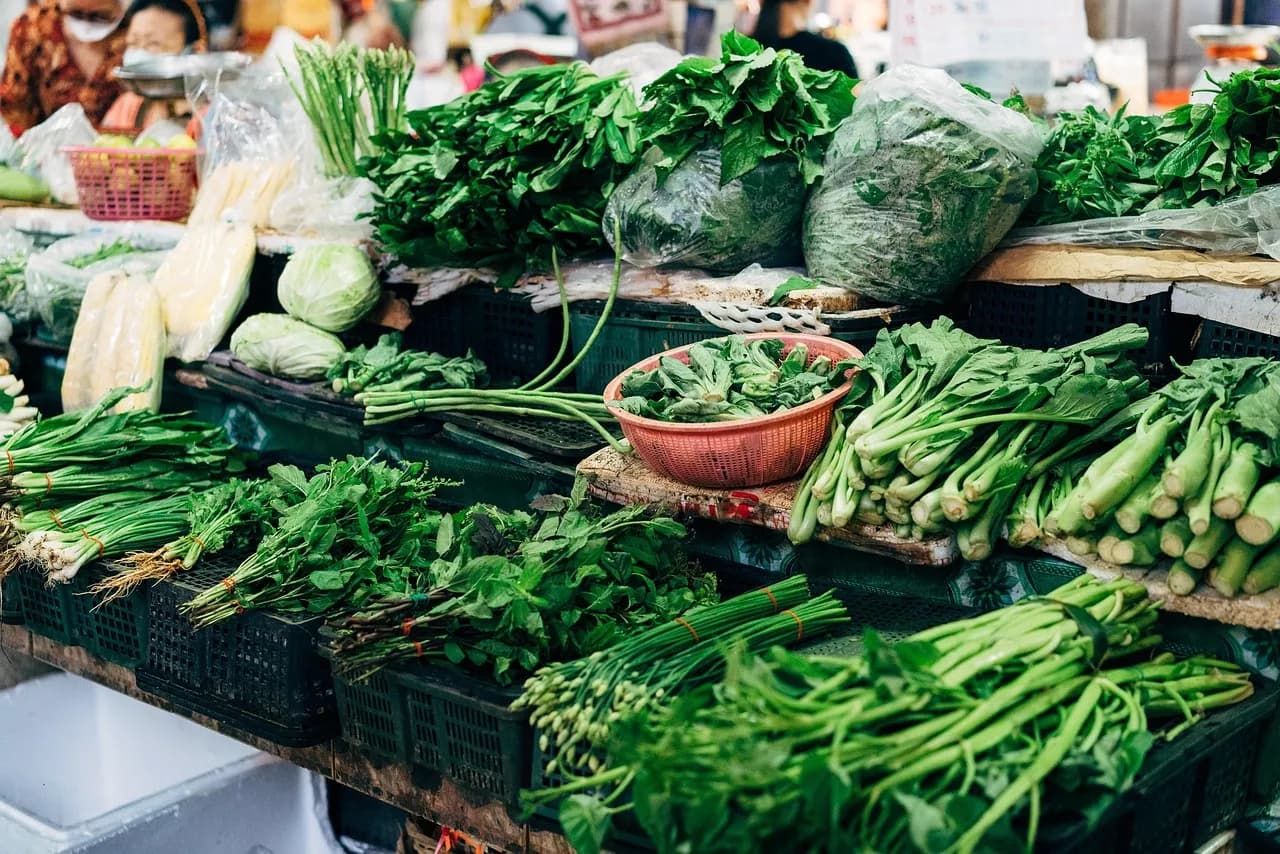
The Department of Agriculture said El Niño has already affected 223,214 farmers in 14 regions, with damage to the sector reaching about P6.87 billion. According to the National Disaster Risk Reduction and Management Council, 106 cities and municipalities have been placed under a state of calamity.
The dry spell comes as food prices are already rising. Inflation accelerated to 7.2% in September, and the head of the Philippine Statistics Authority said the effects of El Niño on prices are likely to be felt more in the coming months.
How households can help
The Department of Environment and Natural Resources is reviving its water conservation campaign, with Secretary Juan Miguel Cuna urging every citizen to do their part. The agency encourages households and communities to:
Use water wisely in daily household tasks.
Collect rainwater whenever possible.
Reuse gray water for gardening and other suitable purposes.