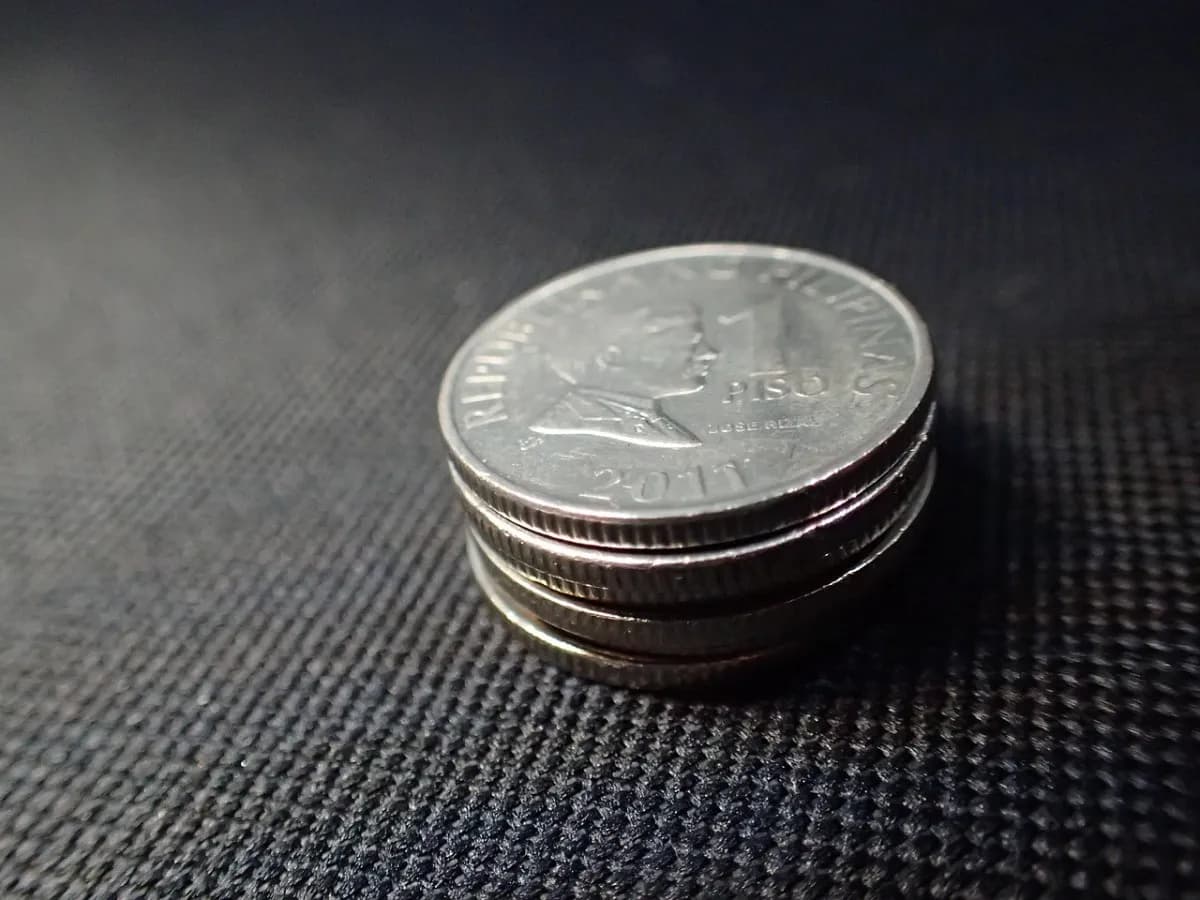
The Philippine peso weakened past P63 to the US dollar for the first time on Thursday, October 15, hitting a record intraday low of P63.15 before closing at P63.06.
The close was 19 centavos weaker than Wednesday's finish of P62.87. The peso opened at P62.83 and traded between P62.75 and P63.15. Trading volume rose to P1.501 billion from P941 million in the previous session.
The currency has traded above P60 to the dollar since the Middle East war began in March. Year to date, it has lost P4.08, or 6.49 percent, from its close of P58.79 on December 29, 2025.
Palace cites Middle East conflict, El Niño
Malacañang attributed the decline to geopolitical tensions, the expected effects of El Niño and political noise. Palace Press Officer Claire Castro said the Middle East conflict is the main driver of weakness in emerging-market currencies worldwide, adding that the crisis "is truly affecting the country's economy."
What analysts are watching
Union Bank of the Philippines chief economist Ruben Carlo Asuncion attributed the latest drop to stronger US inflation and expectations that the US Federal Reserve will keep interest rates elevated for longer, which has reduced investor appetite for emerging-market currencies.
John Paolo Rivera, senior research fellow at the Philippine Institute for Development Studies, expects the peso to remain weak in the near term amid global uncertainty, high oil prices and steady demand for dollars. He flagged concerns over higher import costs, inflation and household purchasing power, but said crossing P63 does not necessarily signal sustained depreciation.
RCBC chief economist Michael Ricafort said the peso could find support from a possible rate hike by the Monetary Board on October 22, passage of the Anti-Political Dynasty Bill, and the seasonal rise in remittances from overseas Filipino workers and dollar conversions ahead of Christmas.